FMCSP 2026: Lower Proof of Funds for Rural Canada – A Strategic Opportunity for Francophone Students | IIB Edutech

Home > FMCSP 2026: Lower Proof of Funds for Rural Canada – A Strategic Opportunity for Francophone Students | IIB Edutech

As the Francophone Minority Communities Student Pilot (FMCSP) 2026 enters its next operational phase, Immigration, Refugees and Citizenship Canada (IRCC) has introduced a major shift in Canada’s study permit financial requirements.

For students planning to study in Canada through IIB Edutech, this change creates a powerful new opportunity — especially for those considering rural Francophone destinations.

The biggest update?
A tiered proof-of-funds requirement based on community size.


What Has Changed in Canada’s Study Permit Financial Requirements?

Under the standard Canadian study permit rules, international students must show:

$20,635 CAD per year in living expenses (excluding tuition).

However, under FMCSP 2026, the required funds now depend on the population size of the destination community.

According to IRCC’s updated structure:

  • Group A (Population 500,000+): $22,895 per year (excluding tuition)

  • Group E (Rural communities): $15,761 per year (excluding tuition)

This creates a difference of more than $7,000 CAD between major cities and rural Francophone communities.

For many students, this lower financial threshold can significantly improve study permit approval chances.


Why This Matters for Students Applying Through IIB

At IIB Edutech, one of the most common concerns we see in Canadian study permit applications is proof of funds.

Financial documentation has historically been one of the top reasons for visa refusals. Many students face challenges such as:

  • Maintaining high bank balances for extended periods

  • Managing tuition deposits alongside living expense requirements

  • Short-term fund transfers that raise documentation concerns

With the FMCSP rural category requiring only $15,761 CAD + tuition, the financial pressure becomes more manageable.

This means:

  • Lower upfront liquidity requirements

  • Reduced financial stress for middle-income families

  • Stronger application positioning

  • More accessible Canadian study pathways

For students with limited liquid assets but strong French-language credentials, this is a game-changing development.


Examples of Rural Francophone Study Destinations

Some smaller Francophone communities benefiting from lower proof-of-funds requirements include:
📍 Hearst, Ontario

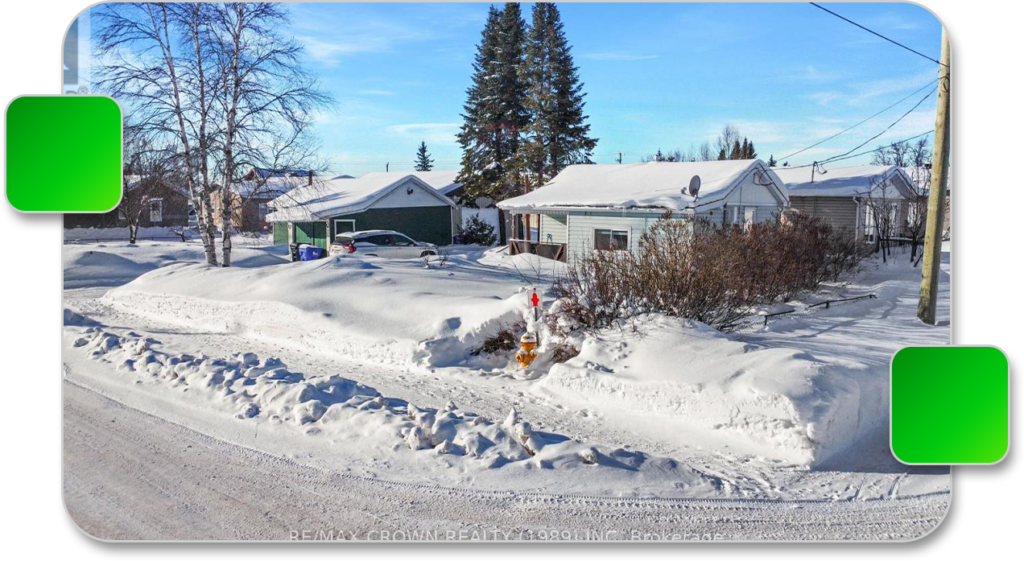
Hearst is a recognized Francophone hub in Northern Ontario, home to Université de Hearst and known for strong community integration.

📍 Clare, Nova Scotia

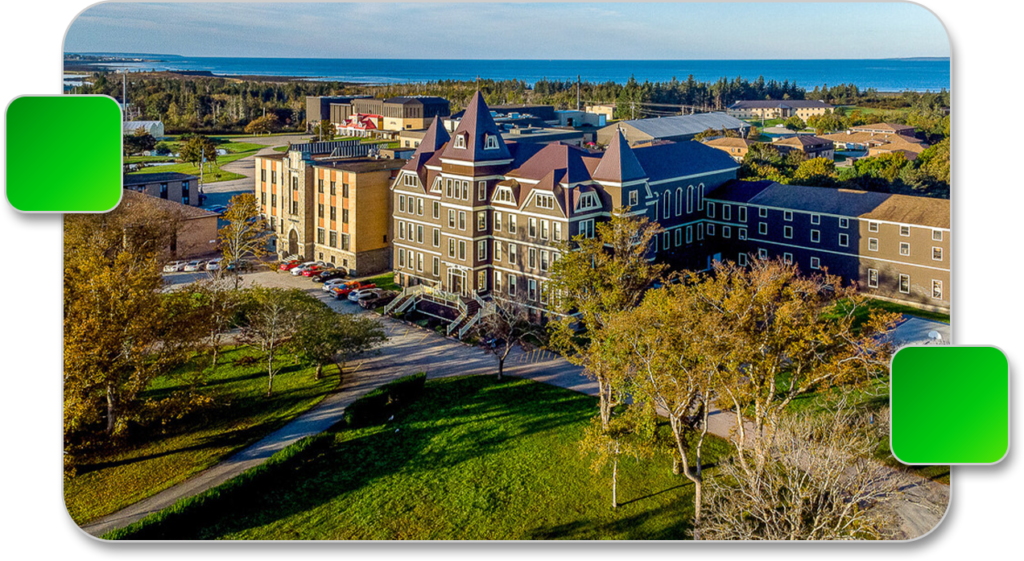
The Municipality of Clare hosts Université Sainte-Anne, a key institution serving Francophone students in Atlantic Canada.

These destinations now fall under lower financial tiers compared to major metropolitan centers.


Why IRCC Introduced a Tiered Proof-of-Funds Model

This change is not accidental. It aligns with Canada’s broader immigration strategy.

The FMCSP was designed to:

  • Strengthen Francophone minority communities outside Quebec

  • Address population decline in rural Canada

  • Promote regional economic development

  • Encourage long-term Francophone settlement

By lowering proof-of-funds requirements in rural areas, IRCC is clearly encouraging international students to consider smaller communities instead of concentrating in large cities.


Strategic Advice from IIB Edutech

For students planning to apply for a Canadian study permit in 2026, location selection is now a financial strategy decision — not just an academic one.

At IIB, we advise students to evaluate:

  • Whether rural placement strengthens their financial eligibility

  • Long-term PR pathways linked to regional immigration streams

  • Community integration advantages

  • Cost-of-living differences between cities and rural areas

In many cases, choosing a rural Francophone destination can significantly improve both visa success probability and long-term immigration outcomes.


A Structural Shift in Canadian Study Permit Accessibility

The FMCSP 2026 funding structure represents more than a temporary pilot adjustment.

It signals:

  • Region-specific immigration design

  • Realistic financial planning models

  • Stronger support for minority language communities

For Francophone students exploring study options in Canada, rural communities are now not only culturally enriching — but financially strategic.

As 2026 progresses, the difference in proof-of-funds between urban and rural Canada will likely become one of the most influential factors shaping study permit decisions.

Related Posts

Study in UK vs Study in Canada: Which Is Better in 2026?

Two of the world's most popular study destinations for Indian students in 2026 are the United Kingdom and Canada. Both

Top Career Options After 12th in 2026 (Science, Commerce & Arts)

Choosing the right career after 12th standard is one of the most important decisions a student will ever make. With

Canada Updates PGWP Rules in 2026: What International Students Must Know | IIB Edutech

These changes are designed to standardize eligibility rules, remove grey areas, and better align graduate work permits with Canada’s labour

Why Most Students Are Confused About Their Career After 12th (And How Proper Guidance Can Change Everything)

Every year, millions of students complete their 12th grade, but only a small percentage feel confident about their next step.

Top Low-Cost Cities for International Students in 2026 (USA, UK, Germany & Canada)

Studying abroad is not just about choosing the right country or university — the city you live in can make

Select Your Portal

Select Your Portal

Start your journey to study abroad

Please fill in the information and we will get back to you with more information.