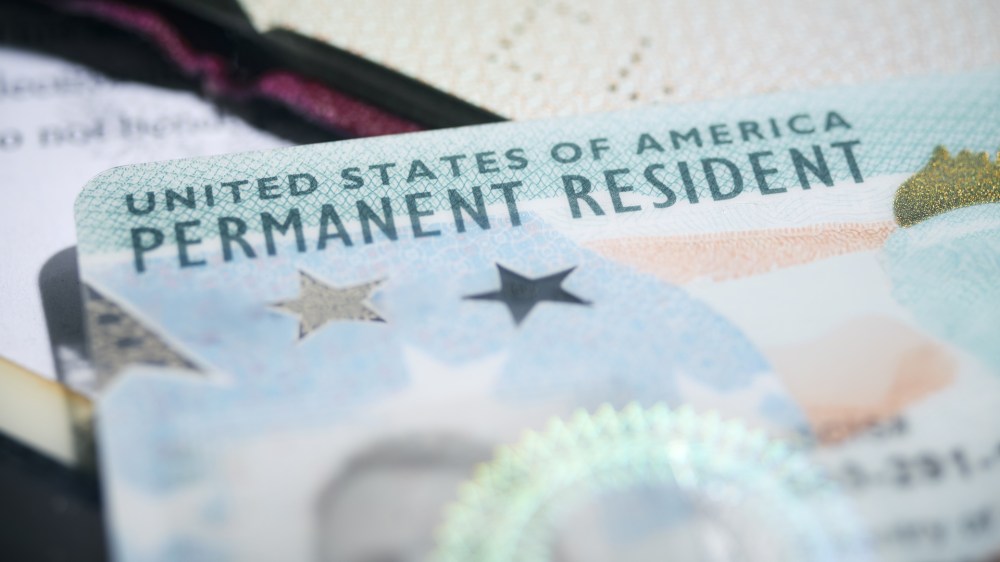
Canada is once again reshaping its immigration system — and this time, the focus is crystal clear: attracting highly skilled professionals who can contribute immediately to the country’s economy and workforce.
According to a recent announcement by the Government of Canada, the 2026 Express Entry categories will prioritize top global talent in sectors facing critical labour shortages. The updated immigration strategy is designed to support Canada’s long-term economic growth while ensuring sustainable immigration levels.
For international students, skilled workers, and professionals planning to move to Canada, these updates could open faster and more targeted pathways to Permanent Residency (PR).
What Is Canada Changing in 2026?
Canada’s Immigration, Refugees and Citizenship Canada (IRCC) has announced new category-based Express Entry draws for 2026. These draws will focus on candidates with skills and work experience that match Canada’s labour market needs.
The government confirmed that category-based selections will play a much bigger role in Express Entry invitations moving forward.

New Priority Categories for 2026
Canada has introduced several new and expanded categories under Express Entry.
1. Physicians with Canadian Work Experience
To address healthcare shortages, Canada is prioritizing foreign medical doctors already working in the country.
2. Researchers with Canadian Experience
Scientists and researchers contributing to innovation and development are now being targeted for faster immigration pathways.
3. Senior Managers with Canadian Experience
Experienced leaders and executives in key industries may receive priority invitations under the new system.
4. Skilled Military Recruits
Canada has also added a unique category for highly skilled foreign military personnel, including doctors, nurses, and pilots recruited by the Canadian Armed Forces.
5. Transport Occupations
Professionals in transportation-related roles such as pilots and aircraft mechanics are also being prioritized.
Existing Priority Categories Will Continue
Along with the new additions, Canada will continue to prioritize candidates in these existing high-demand categories:
- French-language proficiency
- Healthcare and social services
- STEM occupations
- Skilled trades
- Education occupations
- Transport occupations
These categories remain central to Canada’s workforce strategy.
Work Experience Requirement Increased
One important update is the increase in the minimum work experience requirement for category-based selections.
Applicants must now have at least 12 months of eligible work experience within the past 3 years to qualify under many occupational categories.
This change shows that Canada is focusing more on experienced professionals who can integrate quickly into the labour market.
Why This Matters for International Students
For international students studying in Canada, these changes create major opportunities.
Students who:
- gain Canadian work experience,
- study in high-demand sectors,
- improve French-language skills,
- or work in healthcare, STEM, trades, research, or management roles,
could significantly improve their chances of receiving an Invitation to Apply (ITA) for Permanent Residency.
Canada is clearly shifting toward a more targeted immigration model where the right skills matter more than ever.
What This Means for Future Applicants
The 2026 Express Entry changes indicate that Canada wants immigrants who can contribute “from day one.”
Applicants should now focus on:
- choosing in-demand career pathways,
- gaining relevant Canadian work experience,
- building strong CRS scores,
- and aligning their profiles with category-based draws.
Strategic planning will become even more important for future immigrants.